Showing posts with label sculptures. Show all posts

Jun 5, 2023

The Unique Tale of Ravana: A Community's Mourning Amidst a Nation's Festivity

India, a land of diverse beliefs and customs, never ceases to surprise with its intriguing cultural tapestry. In the midst of nationwide celebrations where effigies of Ravana, the legendary king of Lanka, are set ablaze, a community in Jodhpur, Rajasthan, mourns his death. This community, known as the Shrimali Brahmin community, proudly considers themselves descendants of Ravana, with strong ties to the town of Mandore. Let's delve into the captivating story of this community and their unwavering reverence for the infamous ruler.
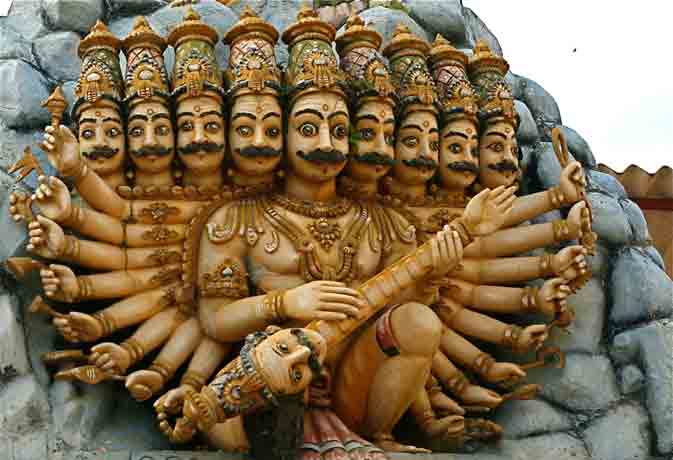
According to folklore, when Ravana journeyed to Mandore in Jodhpur to marry Mandodari, a group of Brahmins accompanied him in the grand procession. While Ravana returned to Lanka after the wedding, these Brahmins chose to remain in Jodhpur. Since then, the Shrimali Brahmins of the Godha gotra have been engaging in special worship dedicated to Ravana. Rather than witnessing the customary burning of effigies, they mourn his death on the day of Dussehra, known as Ravan's Shradh. Additionally, during the Shraddha Paksha, rituals like Tarpan are performed to honor him.

The presence of Ravana's devotees in the Jodhpur district is shrouded in theories lacking concrete evidence. However, it is widely believed that Mandodari, Ravana's wife, is revered as one of the five Mahasaties in Hindu mythology. Mandore boasts a prominent landmark named "Chavri," a tall umbrella-like structure believed to be the sacred site of Ravana and Mandodari's wedding. It is this historical connection that draws many followers and descendants of Ravana to perceive Mandore as a safe haven for migration.

In 2008, the Brahmins of the Godha gotra constructed a temple dedicated to Ravana in the foothills of Mehrangarh, Jodhpur. Within this temple, a colossal statue of Ravana stands alongside idols of other deities, including Lord Shiva. This sacred space serves as a focal point for their worship.
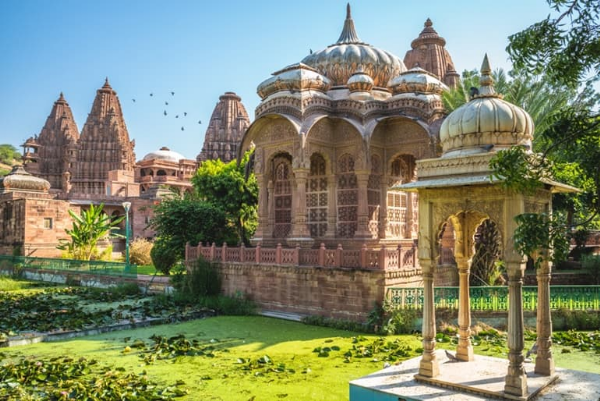
Descendants and disciples of Ravana observe a 12-day mourning period known as sutak following Dussehra. During this time, separate rituals like shradh and Pinda Daan are performed to pay homage to the departed king. As a symbolic gesture of mourning, the descendants of Ravana change their clothes after bathing, just as the Yagyopaveet (sacred thread) is changed during traditional rituals. Notably, the Shrimali Brahmins of the Godha gotra, being descendants of Ravana, abstain from witnessing Ravana's effigy burning. Over 100 families of this gotra reside in Jodhpur, with an additional 60 families in Phalodi.

In addition to the mourning rituals after Dussehra, Ravana's shradh is performed annually on the 10th day of the 16 lunar days of "Pitra Paksh," which falls a month before Diwali. These observances uphold the traditions and customs passed down through generations within the Shrimali Brahmin community.

Remarkably, this sect of Brahmins chooses not to openly express their beliefs and religious sentiments in public. They refrain from comparing Ravana with other Hindu gods and goddesses to avoid causing offence or hurting religious sentiments. 
They consider Ravana their revered deity.


May 19, 2023

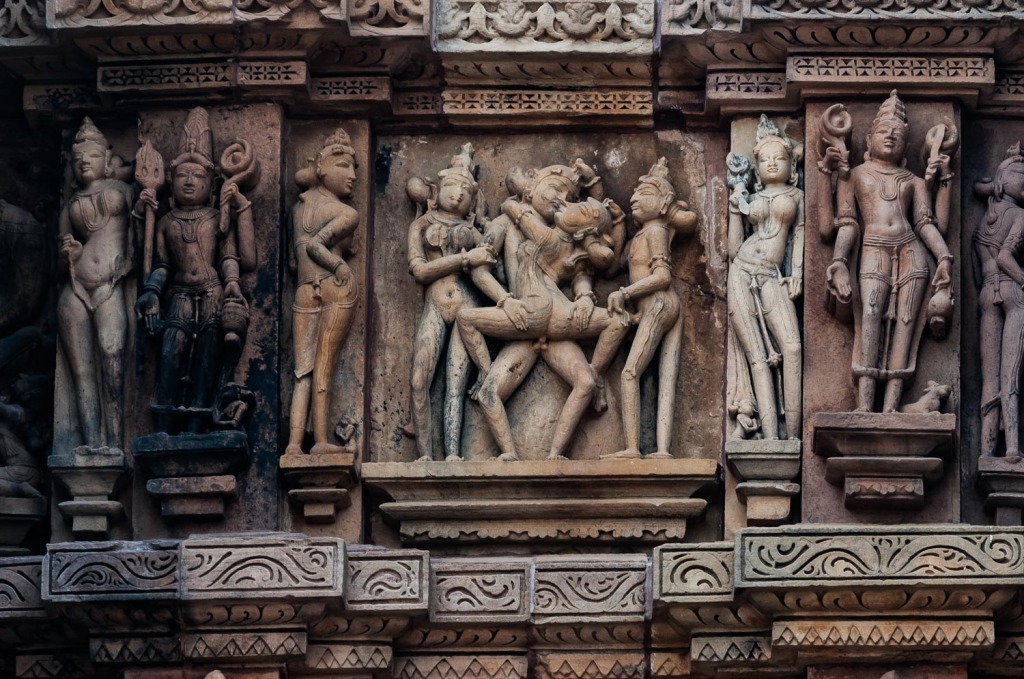
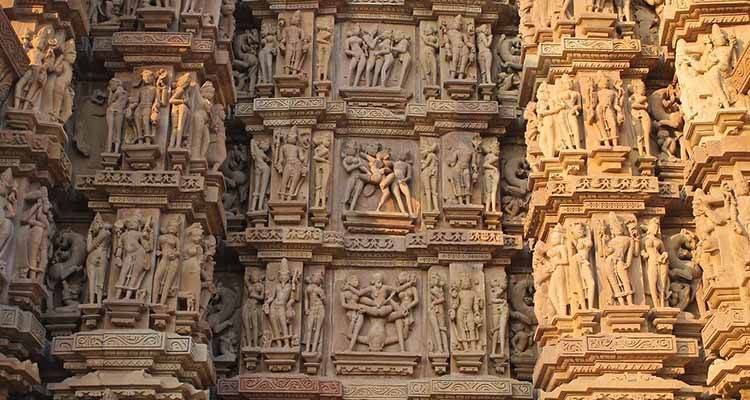
Unveiling the Symbolic Intrigue: Decoding the Presence of Sexual Sculptures in Temples

Indian temples are known for their awe-inspiring architecture, intricate carvings, and rich symbolism that captivate visitors from around the world. Among the diverse array of sculptures adorning many temples, one notable element that often sparks curiosity and intrigue is the presence of sexual or erotic sculptures. While these sculptures may appear provocative at first glance, they hold deeper symbolic meanings and reflect the cultural and spiritual beliefs of the time they were created.


The inclusion of sexual sculptures in temples can be understood within the cultural context of ancient societies. In many cultures, including ancient India, sexuality and fertility were considered sacred aspects of life. Temples, as places of worship and celebration of life's various facets, often incorporated these themes to honour the divine forces associated with creation and procreation.

Sexual sculptures in temples are laden with symbolism and allegory. They represent the union of masculine and feminine energies, symbolising the harmony of opposites and the balance necessary for creation to occur. These sculptures serve as reminders of the interconnectedness of all aspects of life, including the physical and spiritual realms.

Tantric traditions, which emphasise the integration of spirituality and physicality, have played a role in the presence of sexual sculptures in some temples. Tantra views sexual energy as a powerful force for spiritual awakening and transformation. Thus, these sculptures can be seen as symbolic representations of the divine union and the exploration of heightened states of consciousness.


Temples are not just places of worship but also community centres where people gather to commemorate life's milestones. The presence of sexual sculptures in temples signifies a celebration of life and the acknowledgement of human experiences, including sensuality and fertility, as integral parts of the divine tapestry.

The explicit nature of these sculptures encourages contemplation and reflection. They challenge visitors to move beyond the superficial and delve into the deeper aspects of human existence. By engaging with these sculptures, individuals may be prompted to explore the mysteries of creation, the interplay of energies, and the transcendence of physical limitations.


Conclusion: The presence of sexual sculptures in temples is a testament to the intricate symbolism, cultural beliefs, and spiritual expressions embedded within ancient religious art. These sculptures, while initially evoking curiosity, ultimately serve as reminders of the divine harmony in the cycle of life. Understanding the historical, cultural, and spiritual contexts behind these sculptures allows us to appreciate their deeper meanings and recognize the multifaceted nature of human existence as a reflection of the divine.

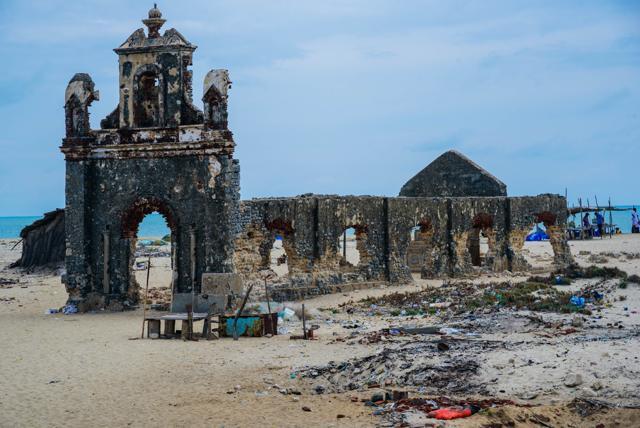
The Mysterious Abandonment of Dhanushkodi, Tamil Nadu: Unraveling the Curse

Nestled at the southern tip of India, where the Bay of Bengal meets the Indian Ocean, lies a place of haunting beauty and eerie history - Dh...