Showing posts with label India. Show all posts

Sep 19, 2023

The Mysterious Abandonment of Dhanushkodi, Tamil Nadu: Unraveling the Curse

Nestled at the southern tip of India, where the Bay of Bengal meets the Indian Ocean, lies a place of haunting beauty and eerie history - Dhanushkodi. This ghost town in Tamil Nadu's Rameswaram district has captivated the imagination of travelers and locals alike for decades. Abandoned in the aftermath of a catastrophic cyclone and shrouded in a veil of mystique, Dhanushkodi beckons with tales of a forgotten past and a lingering curse that continues to haunt its desolate shores.
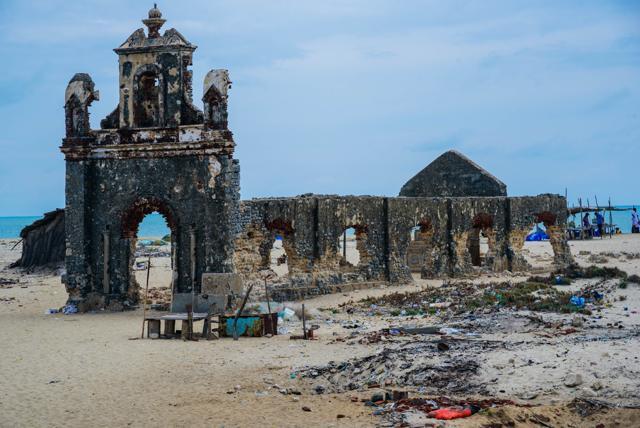
Dhanushkodi was once a thriving coastal town, a bustling hub of trade and pilgrimage. Its name translates to "End of the Bow," referencing the mythological bridge believed to have been built by Lord Rama to reach Lanka. The town's proximity to Sri Lanka made it an essential transit point for sea trade and devotees embarking on spiritual journeys.

Legend has it that Dhanushkodi's fall from grace was triggered by an unfortunate incident involving a revered saint. Devotees believe that a local fisherman, who was actually Lord Rama's devotee, informed the ruling king of Rameswaram about an approaching ship carrying precious stones from Sri Lanka. The fisherman's intention was to prevent the king from stealing the stones, but his actions inadvertently led to the ship's capture.

Furious at the betrayal, the saint cursed Dhanushkodi, prophesying its ruin and abandonment. The curse warned of a catastrophic cyclone that would wipe out the town, erasing it from the face of the Earth. This chilling prophecy eventually became a reality.

In December 1964, a powerful cyclone struck Dhanushkodi, leaving death and destruction in its wake. The storm surge engulfed the town, erasing homes, temples, and lives. The once-thriving settlement was reduced to ruins, and survivors were forced to flee, leaving behind a haunting reminder of the curse.

Today, Dhanushkodi stands as a ghost town frozen in time. The skeletal remains of buildings, dilapidated railway tracks, and half-submerged structures bear witness to the town's tragic past. The ruins are a poignant reminder of the power of nature and the legacy of a curse.

While skeptics may dismiss the curse as mere superstition, it's hard to ignore the uncanny alignment between the curse, the fisherman's betrayal, and the catastrophic cyclone. The intertwining of myth and reality adds an intriguing layer to Dhanushkodi's story, making it a destination of both historical significance and supernatural allure.

Despite its desolate appearance, Dhanushkodi has experienced a resurgence in recent years as a place of spiritual significance. Devotees and travelers visit to pay homage to the Rama Setu, the mythological bridge that spans the waters between India and Sri Lanka. The town's aura of mystery and its association with Lord Rama continue to draw those seeking a connection with the divine.

Dhanushkodi's tale is one of tragic beauty, a blend of history and myth that lingers in the salty breeze and whispers through the rustling leaves. As visitors tread lightly through its ruins, they bear witness to the remnants of a once-thriving town and the enduring legacy of a curse that remains etched in its sands. Dhanushkodi's abandonment is more than a physical decay; it's a testament to the potent interplay between human actions, nature's fury, and the enigmatic forces that shape our world. Whether seen as a cautionary tale or a testament to the resilience of spirit, Dhanushkodi invites us to ponder the delicate balance between destiny and choice that shapes the fates of both places and people.

Sep 11, 2023

The lost nuclear device on Nanda Devi - A Himalayan Mystery.

In the remote Indian Himalayas, nestled among the snow-capped peaks, lies a chilling mystery that has captivated the imagination of locals and experts alike. It all began in 1965 when a top-secret mission involving international espionage, the CIA, and the Indian government took place on the iconic Nanda Devi mountain. The mission aimed to install a nuclear spying device to monitor China's nuclear activities. However, fate had something else in store, and the device was lost, triggering a decades-long search and raising concerns about potential catastrophic consequences. This article delves into the fascinating story of the lost nuclear device on Nanda Devi, exploring the background, planning, execution, and ongoing quest to locate it.


The backdrop for the mission dates back to 1964 when China conducted its first nuclear test, sending shockwaves through the international community. Alarmed by China's nuclear capabilities, the United States sought ways to monitor their activities. Enter the CIA and their proposal to the Indian government to install a nuclear spying device on Nanda Devi, strategically positioned to observe China. India, still reeling from a recent war defeat against China and concerned about its neighbor's nuclear armament, agreed to the joint mission.

Led by the renowned mountaineer Manmohan Singh Kohli, the expedition team assembled in Alaska for rigorous training before embarking on their mission. The nuclear spying device, weighing approximately 56 kilograms, along with an 8-10 feet antenna, transceivers, and a snap generator, was intended to be installed on the peak of Nanda Devi. The snap generator, half the size of the bomb dropped in Hiroshima, carried seven plutonium devices. The team, comprising mountaineers, porters, sherpas, nuclear experts, intelligence officers, signal experts, and communicators, began their ascent in October 1965.

As the team approached their destination, tragedy struck. When they reached camp IV at 24,000 feet, they encountered a fierce snow blizzard. With their safety at risk, Manmohan Singh Kohli made the difficult decision to secure the device in a cave and tied it with ropes and batons. While the Indian and American intelligence officers approved this arrangement, the mission had to be aborted due to the worsening weather conditions. In 1966, when the team returned to retrieve the device, they discovered it had vanished, swept away by an avalanche triggered by the snow blizzard.


The disappearance of the nuclear device sparked an extensive search operation, but despite multiple efforts, the whereabouts of the device remain unknown. The Indian government closed the Nanda Devi Peak and its surrounding sanctuary for expeditions until 1974 to maintain the secrecy of the operation. The search operations continued sporadically over the years, including the testing of water samples for radioactivity. In 1993, a team reportedly found a round steel case believed to have carried the plutonium devices, suggesting a potential separation from the protective casing.

The lost nuclear device on Nanda Devi poses significant potential risks, particularly if it contaminates the Rishi Ganga River. The device, containing plutonium Pu238, has a half-life of approximately 88 years, meaning it remains highly radioactive for several more decades. The water flowing from the glacier where the device is presumed to have sunk could carry radioactive particles downstream, endangering the surrounding ecosystem and the communities dependent on the river. The recent Chamoli floods, which devastated the region, have raised suspicions among locals regarding the lost nuclear device's involvement.

Efforts to locate the missing nuclear device have been impeded by various challenges. Technological advancements have made it possible to penetrate deep into the ice, but the use of such equipment is costly. The question remains whether the Indian government should invest its own resources or seek assistance from the CIA, which was involved in the original mission. Additionally, the device's burial in separate parts, including the plutonium capsules, transmitter sets, and aerial, makes it challenging to locate without a comprehensive understanding of its exact configuration.


The mysterious case of the lost nuclear device on Nanda Devi has garnered international attention and speculation. Reports suggest that Hollywood producer Scott Rosenfelt is developing a film based on this gripping story, aiming to maintain authenticity and accuracy. The script has been completed, and Greg Mclean is set to direct the project. There are even rumors that renowned actor Ranbir Kapoor may portray Manmohan Singh Kohli in the film. As the cinematic adaptation unfolds, it brings renewed interest to the decades-old stumper.

With the potential risks and environmental concerns associated with the lost nuclear device, there is a growing call for its discovery and resolution. As technology continues to advance, there is hope that new methods and equipment could aid in locating the device buried deep within the Himalayas. Whether it requires the Indian government's investment or cooperation between the nations involved, the need to address this lingering mystery and potential threat remains paramount.

The lost nuclear device on Nanda Devi stands as a testament to the complex web of international espionage, geopolitical tensions, and the enduring mysteries of the Himalayas. While its exact location eludes us, the potential consequences of its presence continue to fuel curiosity and concern. As the search for answers continues, we are reminded of the need for responsible actions and global cooperation to address the legacy of this secret mission and ensure the safety of the people and environment in the region.

Aug 25, 2023

Unraveling the mystery of Kodinhi: The Twin Village of Kerala

Kodinhi, a quaint village nestled in the Malappuram district of Kerala, has earned the intriguing moniker of "twin town." This small community, with approximately 2,000 families, has baffled researchers and captivated the world with its disproportionately high number of twins. This phenomenon has piqued the curiosity of scientists, locals, and visitors alike, making Kodinhi a subject of fascination and speculation. In this article, we will delve into the mysteries surrounding the twin births in Kodinhi, exploring the statistics, theories, and the ongoing quest for answers.
The Astonishing Statistics


Kodinhi's claim to fame lies in the astonishing number of twins born within its boundaries. While globally, twins comprise only 6 of every 1,000 live births, in Kodinhi, this figure skyrockets to a staggering 42 per 1,000 live births – a 700% increase. This makes Kodinhi an anomaly in India, where the average occurrence of twins is just four out of every 1,000 births. The village's twin birth rate is a remarkable 45 per 1,000 births.

The origins of the twin phenomenon in Kodinhi trace back to a period approximately 60-70 years ago. The trend started to emerge, and with each passing year, the number of twins has been steadily increasing. In fact, over the past decade, the number of twins in Kodinhi has doubled, leaving researchers astounded.

One puzzling aspect of the Kodinhi twin phenomenon is the correlation with the height of women in the village. Twins tend to occur more frequently in women who are generally over 5 feet 3 inches tall. Interestingly, the average height of women in Kodinhi is around 5 feet, which defies the established pattern observed elsewhere. However, the exact relationship between height and twin births in Kodinhi remains a subject of speculation.


Even those who marry outsiders and move away from the village seem to exhibit a substantially higher-than-normal rate of having twins. This adds another layer of complexity to the Kodinhi twin mystery. It appears that the twin phenomenon is not confined to the village itself but somehow follows those connected to Kodinhi, regardless of their geographical location.

The abundance of twins in Kodinhi has led to some amusing situations. Teachers find it challenging to identify the twins in schools, and even the local people sometimes face a similar predicament. Jokes circulate about newly-wed couples mistaking their partners for the other twin in the pair during the early stages of their conjugal life. The identity crisis caused by the prevalence of twins adds a touch of humor to the peculiarities of this unique village.

To celebrate the twin phenomenon and foster a sense of community, the residents of Kodinhi have established the Twins and Kin Association (TAKA). This association serves as a platform for twins and their families to come together, share experiences, and strengthen their bond. TAKA has become an essential part of the village's identity, further solidifying Kodinhi's reputation as the twin town.

Numerous experts and researchers have embarked on a journey to unlock the secrets of Kodinhi's twin mystery. Dr. Krishnan Sribiju, a prominent figure in the field, has been studying this medical marvel for the past two years. Although 220 sets of twins have been officially registered, Dr. Sribiju believes the real number to be far higher. His research has led him to speculate that the answer lies in something the villagers consume, but isolating the specific substance has proven elusive. Despite the lack of definitive answers, Dr. Sribiju remains committed to continuing his research, employing more advanced biochemical analysis equipment in his quest for a breakthrough.


Kodinhi continues to captivate the world with its extraordinary abundance of twins. The village's twin birth rate defies global and national averages, leaving researchers perplexed and curious. As the years pass, the number of twins in Kodinhi only seems to grow, fueling the quest for answers. While theories abound and research persists, the mystery of the twin village remains unsolved. Kodinhi stands as a testament to the wonders and enigmas that exist within our diverse world.

Aug 14, 2023

The Mystery of the Red Rain in Idukki: A Fascinating Phenomenon Explored

Have you ever heard of the strange phenomenon that occurred in Idukki, southern India, known as the Red Rain? It was a truly perplexing event that took place from July to September 2001, when heavy downpours of red-colored rain fell sporadically on the region, leaving residents bewildered and scientists intrigued. This article delves into the captivating mystery of the Red Rain, exploring its origins, scientific theories, and the implications it has for the possibility of extraterrestrial life.

During those fateful months, the skies of Idukki turned into a scene straight out of a science fiction movie. Witnesses reported raindrops that were not clear, but rather a vivid shade of red. Not only did the rain stain clothes, but it also burned leaves and left the water a gory hue. The sheer horror experienced by the residents is unimaginable.


The Red Rain event of 2001 was not an isolated incident. Scientific records indicate that Kerala and neighboring Sri Lanka have experienced sporadic instances of colored rain since the 1890s. The phenomenon, however, has not been consistently retained in local living memory. This historical context adds to the intrigue surrounding the Red Rain.

The baffling nature of the Red Rain prompted physicist Godfrey Louis from Cochin University of Science and Technology to investigate further. Collecting numerous samples of the red rain, Louis aimed to decipher the source of the contamination. Initial speculations suggested sand or dust from a distant desert, but microscopic analysis revealed a different story.

Under the microscope, Louis discovered that the rainwater contained red cells resembling conventional bugs found on Earth. What made these cells extraordinary was the absence of DNA, which would typically be present in most known biological cells. This finding raised intriguing questions about the origin and nature of these unusual entities.


In 2006, Louis published his groundbreaking results in the peer-reviewed journal Astrophysics and Space, along with a daring suggestion: the red cells could be extraterrestrial in nature. He proposed that a disintegrated comet in the upper atmosphere may have seeded the clouds, ultimately leading to the red rain phenomenon. This hypothesis caught the attention of the scientific community and sparked further investigations.

To fully understand Louis's extraterrestrial hypothesis, we must delve into the concept of panspermia. Pioneered by physicist Fred Hoyle and astronomer Chandra Wickramasinghe, panspermia suggests that life exists throughout the universe, carried by comets, asteroids, and interstellar dust clouds. According to this theory, life on Earth could have originated from one or more of these sources.

The investigation into the Red Rain phenomenon extended beyond the microscopic analysis conducted by Godfrey Louis. Samples were sent to labs in the United Kingdom, where microbiologists at Cardiff University meticulously studied the cells. After intense analysis, Chandra Wickramasinghe, working with the team, expressed growing conviction that the cells were highly unusual and did not contain DNA.

Supporting the extraterrestrial hypothesis, reports emerged of a sonic boom-like noise in the region during the time of the Red Rain. This phenomenon could potentially be linked to the disintegration of an object in the upper atmosphere. The sonic boom, combined with the absence of DNA in the red cells, added weight to the possibility of an extraterrestrial origin.

While the extraterrestrial hypothesis and the idea of panspermia provide intriguing explanations for the Red Rain, it is important to note that more evidence is required for broader acceptance within the scientific community. Independent verification is crucial to solidify these claims and shed more light on the fascinating mystery of the Red Rain.

The Red Rain phenomenon has sparked renewed interest in the search for extraterrestrial life. If the cells found in the rainwater are indeed of extraterrestrial origin, it would be a groundbreaking discovery, potentially indicating that life exists beyond Earth. Further research and exploration are necessary to uncover the truth behind this enigmatic event.


The investigation into the Red Rain has contributed to the field of astrobiology, which seeks to understand the origin, evolution, and distribution of life in the universe. By studying the unusual cells found in the rainwater, scientists gain insights into the possibilities of life existing in extreme conditions and the potential for life to be transported across vast distances.

The Red Rain phenomenon in Idukki remains an unsolved mystery that has captivated scientists and the public alike. The vividly colored raindrops, the absence of DNA in the cells, and the extraterrestrial hypothesis have all contributed to the fascination surrounding this event. While the scientific community continues to explore and analyze the Red Rain, one thing is certain: the quest to unravel the secrets of this phenomenon brings us one step closer to understanding our place in the vast universe.

Aug 7, 2023

Mystery of the Village of Snakes: Shetpal

In the remote village of Shetpal, nestled in the Sholapur district of Maharashtra, lies a fascinating phenomenon that has captured the attention of locals and visitors alike. This nondescript village, with a population of about 2600, is home to a unique coexistence between humans and cobras. Snakes roam freely from house to house, and instead of fear or harm, they are welcomed as members of the family. This article delves into the intriguing mystery of Shetpal, exploring the traditions, beliefs, and harmonious relationship between the villagers and these venomous creatures.


Unlike many other places where snakes are feared and exterminated, the people of Shetpal have embraced the presence of cobras in their everyday lives. These serpents are treated as pets and are allowed to roam freely within the village. There is no fear or harm inflicted upon them, as the villagers believe that the cobras bring good luck and prosperity to their homes.

In each house of Shetpal, a special corner called the "devasthanam" is designated as the abode for the cobras. This sacred space is set aside exclusively for the snakes to rest and cool off whenever they wish. When constructing a new house, the villagers ensure that a hollow portion of the dwelling is devoted as a devasthanam for the cobras. This unique practice showcases the deep reverence and acceptance the villagers have for these venomous creatures.

The harmonious relationship between humans and snakes extends even to the village schools. It is not uncommon to find cobras slithering into classrooms during a class. Astonishingly, neither the teachers nor the students are perturbed by their presence. The children, raised from an early age to coexist fearlessly with the snakes, continue to focus on their studies without any fear or distraction. This remarkable aspect of life in Shetpal exemplifies the level of trust and understanding between the villagers and the cobras.


To fully understand the significance of snakes in Shetpal, we must delve into the deep-rooted connection between snakes and Hinduism. In Hindu mythology, snakes hold a significant place, often associated with deities and divine symbolism. Lord Shiva is epitomized by the cobra, symbolizing his transcendence of time and space. Lord Vishnu, another prominent deity, rests on the coiled bed of a massive snake called Adhiseshan. These divine associations have led to snake worship and reverence in Hindu culture.

One of the most important festivals dedicated to snake worship is Nag Panchami. Celebrated annually on the fifth day of the month of Shravana, according to the Hindu calendar (usually falling in July or August), Nag Panchami sees thousands of devout individuals, particularly women in Indian villages, worship and feed snakes to seek divine blessings. This age-old tradition is deeply ingrained in the rural communities of India, and the belief in the power and blessings of snakes continues to persist.

Many Hindu temples in India feature clusters of small stone-carved images of snakes lining their premises. These stone representations of snakes, known as "naga" in Sanskrit, are often found along the prakara or prathakshana path (Passage/Courtyard) of the temple. It is believed that childless women who pray to the snake deity, Nag Devta, for a child will set a stone image of a snake in the temple after performing certain rituals. One such temple, the snake temple at Haripad in Alappuzha district, Kerala, boasts an astonishing number of over 30,000 stone images of snakes in and around its premises.

What makes Shetpal even more mysterious is the fact that there have been no reported incidents of snake bites in the village. Despite the free movement of cobras and their close proximity to humans, no harm has come to the villagers. This enigma has baffled experts and visitors alike, sparking curiosity and fascination about the dynamics of this unique relationship.

The welcoming nature of the villagers towards the cobras may contribute to the absence of snake bites. The snakes are regularly fed, ensuring that they have an ample supply of food, and are less likely to seek it from other sources, including humans. The villagers' understanding of the snakes' behavior and their adherence to traditional practices may also play a role in maintaining this peaceful coexistence.


The origin of this extraordinary practice in Shetpal remains unknown. It has been passed down through generations without a clear historical explanation. However, the tradition continues to thrive, captivating the imaginations of those who visit this village. Shetpal has become a testament to the power of ancient beliefs and the ability of humans and nature to coexist in harmony.

If you are intrigued by the mystery of Shetpal and wish to witness this unique phenomenon firsthand, you can visit the village by alighting at the Modnimb Railway Station in Maharashtra or by boarding a flight to Pune Airport. From there, you can hire a cab to Shetpal, immersing yourself in the rich culture and deep reverence for snakes that permeate the village.

Shetpal is a place like no other, where cobras roam freely, are welcomed into every home, and are treated as members of the family. The deep-rooted traditions, the belief in the power and blessings of snakes, and the understanding between humans and these venomous creatures create a remarkable atmosphere of harmony and trust. As visitors flock to this remote village, the mystery of Shetpal continues to captivate and mesmerize us, reminding us of the wonders of nature and the mysteries that lie within our ancient traditions.

Jul 28, 2023

Unearthing the Secrets: Treasures in Son Bhandar Caves of Bihar

Bihar, a state in eastern India, is home to plenty of historical and archaeological wonders. Among these, the Son Bhandar Caves stand out as a mysterious and intriguing site that has captivated the minds of historians and treasure enthusiasts alike. Located in the city of Rajgir, these ancient caves are not only a testament to India's rich heritage but also shrouded in legends and myths of hidden treasures. In this blog, we embark on a journey to explore the enigmatic Son Bhandar Caves and the tales of its reputed hidden treasures.

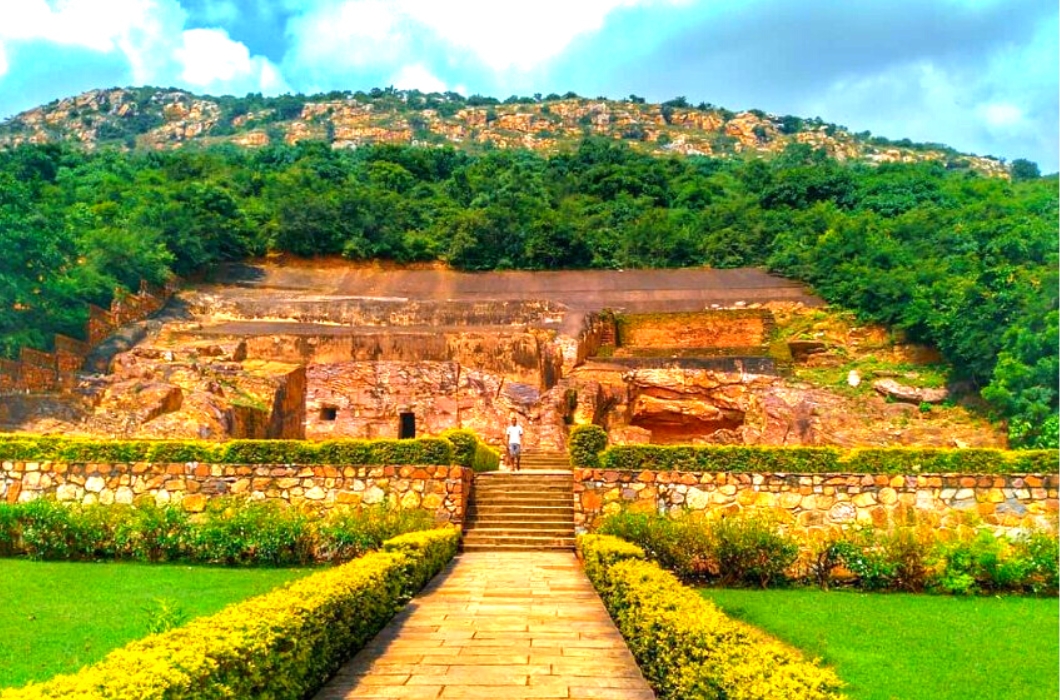
The Son Bhandar Caves are a series of rock-cut caves believed to have been constructed during the Maurya and Gupta periods, making them over two thousand years old. Nestled at the Vaibhava Hill in Rajgir, these caves have significant historical and religious importance, adding to their allure.


The caves are steeped in legends that speak of immense hidden treasures within their depths. According to local folklore, the great Mauryan Emperor Ashoka used these caves to store his vast wealth, including precious gems, gold, and other valuable artifacts. It is said that he sealed the entrance to the caves with the magical sound of the syllable "Bam" to protect the treasures from invaders and thieves.

The tales of hidden treasures within the Son Bhandar Caves have fueled the imagination of treasure hunters and archaeologists for centuries. Several attempts have been made to unlock the secrets of these caves and find the legendary wealth. However, the cave's intricate architecture and the reverence attached to them as religious sites have made extensive excavations a challenging task.

Apart from the lure of hidden treasures, the Son Bhandar Caves themselves are architectural marvels. The intricate carvings and inscriptions on the cave walls depict scenes from ancient Indian mythology and historical events. One of the caves, known as the "Sudama Cave," is particularly famous for its beautifully adorned entrance.


Beyond the legends of hidden wealth, the Son Bhandar Caves hold immense religious significance for both Buddhists and Jains. These caves are believed to have been used by Buddhist monks and Jain ascetics as places of meditation and retreat. The site is also associated with Lord Mahavira, the 24th Tirthankara of Jainism.

The Son Bhandar Caves of Bihar are more than just a repository of myths and legends; they are a window to the rich tapestry of India's ancient history and cultural heritage. Whether the tales of hidden treasures are true or not, the caves' historical, religious, and architectural significance is undeniable.

As we explore the mysteries of the Son Bhandar Caves, let us remember that the true treasure lies in the knowledge, preservation, and appreciation of our nation's glorious past. These caves serve as a reminder of our ancestors' ingenuity and creativity, and it is our responsibility to protect and cherish these heritage sites for future generations to cherish and admire. So, the next time you find yourself in Bihar, take a moment to visit the enigmatic Son Bhandar Caves and immerse yourself in the allure of ancient India.

Unveiling the Enigmatic Treasure of Jaigarh Fort

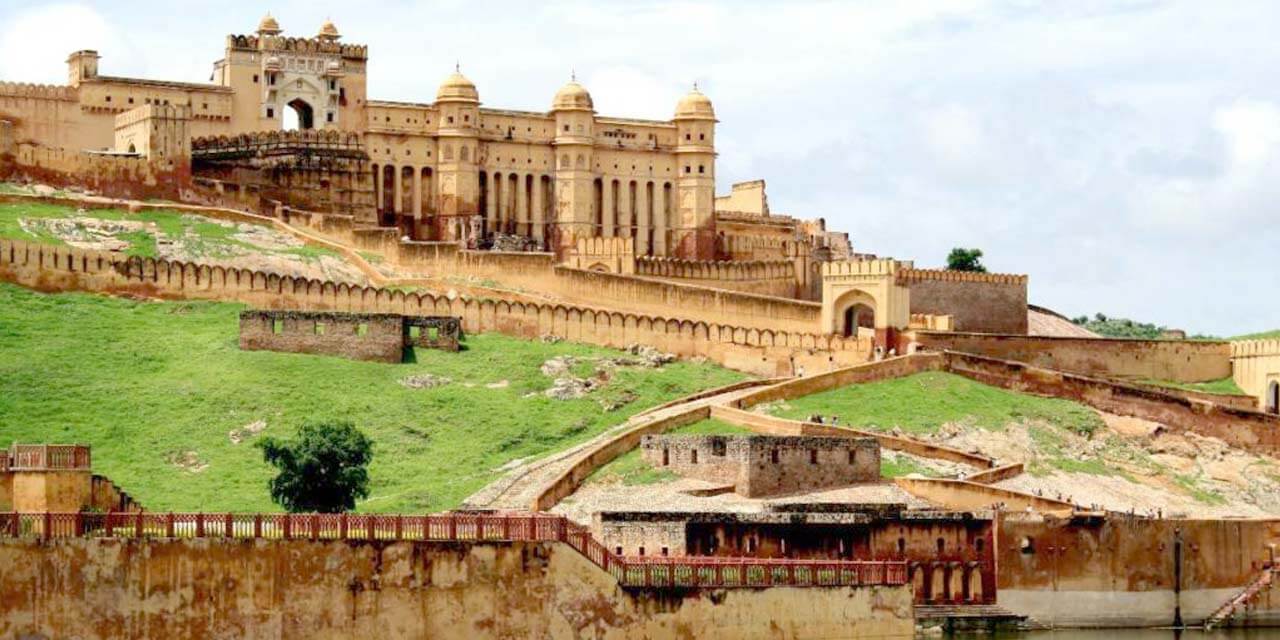
Nestled amidst the rugged Aravalli Hills in Jaipur, India, the majestic Jaigarh Fort stands tall as a testament to the valor and architectural brilliance of the past. Built in 1726 by Maharaja Jai Singh II, the fort served as a crucial defense bastion and housed a treasure that has intrigued historians, treasure hunters, and enthusiasts alike for centuries. The hidden riches of Jaigarh Fort have become the stuff of legends, weaving tales of unimaginable wealth and grandeur. In this blog, we embark on a journey to unravel the enigmatic treasure of Jaigarh Fort and explore the mysteries that surround it.


Jaigarh Fort, often known as the "Fort of Victory," offers a breathtaking view of Jaipur city from its elevated position. The fort's robust architecture and strategic location made it an impregnable stronghold during its time. Connected to the iconic Amer Fort by a subterranean passage, Jaigarh Fort stands as a symbol of Jaipur's rich historical heritage.

The most intriguing aspect of Jaigarh Fort is the captivating legend of its hidden treasure. According to local folklore, the fort houses immense wealth, including gold, silver, precious gems, and valuable artifacts, supposedly accumulated by the Kachwaha rulers. It is believed that the treasure was hidden deep within the fort's confines to protect it from invaders and marauders.

One of the most fascinating features of Jaigarh Fort is the mysterious "Red Door" or "Loha Pol." This door guards the entrance to the fort's inner chambers where the treasure is rumored to be concealed. The door has remained unopened for centuries, and attempts to unlock its secrets have yielded no success, further fueling the allure of the hidden wealth.

Over the years, numerous treasure hunters and explorers have tried to uncover the secrets of Jaigarh Fort's hidden riches. Some adventurers even claim to have heard the clinking of metal within the fort's walls, spurring further excitement and curiosity. However, due to the fort's historical significance and cultural importance, excavations and extensive search missions have been restricted.


Beyond the legends of treasure, Jaigarh Fort played an essential role in shaping the history of Rajasthan. It served as a vital military base and was a repository of royal arms, ammunition, and defense equipment. The fort's vast water storage systems and grand palaces are also a testament to the engineering prowess of the time.

The Treasure of Jaigarh Fort remains one of history's most enduring enigmas, adding to the allure of this magnificent fortress. Whether the legends of hidden wealth are true or simply a product of imagination, the fort's historical and architectural significance is undeniable. Jaigarh Fort continues to stand tall, not only as a historical treasure trove but also as a symbol of Rajasthan's valor and regal heritage.

As we marvel at the grandeur of Jaigarh Fort and the allure of its hidden riches, let us remember that the true treasure lies in the preservation and appreciation of our rich cultural heritage for generations to come. So, the next time you visit Jaipur, make sure to explore the captivating mysteries of Jaigarh Fort and immerse yourself in the timeless tales of the past.

Jun 5, 2023

The Unique Tale of Ravana: A Community's Mourning Amidst a Nation's Festivity

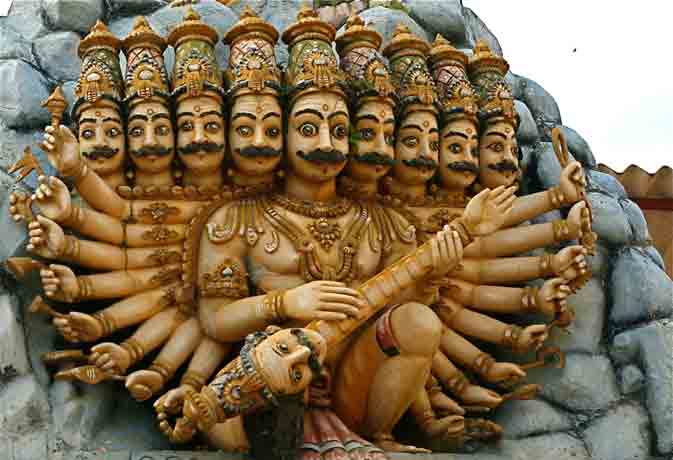
India, a land of diverse beliefs and customs, never ceases to surprise with its intriguing cultural tapestry. In the midst of nationwide celebrations where effigies of Ravana, the legendary king of Lanka, are set ablaze, a community in Jodhpur, Rajasthan, mourns his death. This community, known as the Shrimali Brahmin community, proudly considers themselves descendants of Ravana, with strong ties to the town of Mandore. Let's delve into the captivating story of this community and their unwavering reverence for the infamous ruler.

According to folklore, when Ravana journeyed to Mandore in Jodhpur to marry Mandodari, a group of Brahmins accompanied him in the grand procession. While Ravana returned to Lanka after the wedding, these Brahmins chose to remain in Jodhpur. Since then, the Shrimali Brahmins of the Godha gotra have been engaging in special worship dedicated to Ravana. Rather than witnessing the customary burning of effigies, they mourn his death on the day of Dussehra, known as Ravan's Shradh. Additionally, during the Shraddha Paksha, rituals like Tarpan are performed to honor him.

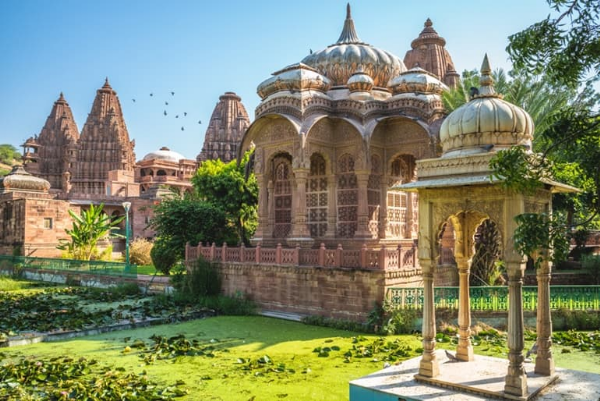
The presence of Ravana's devotees in the Jodhpur district is shrouded in theories lacking concrete evidence. However, it is widely believed that Mandodari, Ravana's wife, is revered as one of the five Mahasaties in Hindu mythology. Mandore boasts a prominent landmark named "Chavri," a tall umbrella-like structure believed to be the sacred site of Ravana and Mandodari's wedding. It is this historical connection that draws many followers and descendants of Ravana to perceive Mandore as a safe haven for migration.

In 2008, the Brahmins of the Godha gotra constructed a temple dedicated to Ravana in the foothills of Mehrangarh, Jodhpur. Within this temple, a colossal statue of Ravana stands alongside idols of other deities, including Lord Shiva. This sacred space serves as a focal point for their worship.

Descendants and disciples of Ravana observe a 12-day mourning period known as sutak following Dussehra. During this time, separate rituals like shradh and Pinda Daan are performed to pay homage to the departed king. As a symbolic gesture of mourning, the descendants of Ravana change their clothes after bathing, just as the Yagyopaveet (sacred thread) is changed during traditional rituals. Notably, the Shrimali Brahmins of the Godha gotra, being descendants of Ravana, abstain from witnessing Ravana's effigy burning. Over 100 families of this gotra reside in Jodhpur, with an additional 60 families in Phalodi.

In addition to the mourning rituals after Dussehra, Ravana's shradh is performed annually on the 10th day of the 16 lunar days of "Pitra Paksh," which falls a month before Diwali. These observances uphold the traditions and customs passed down through generations within the Shrimali Brahmin community.

Remarkably, this sect of Brahmins chooses not to openly express their beliefs and religious sentiments in public. They refrain from comparing Ravana with other Hindu gods and goddesses to avoid causing offence or hurting religious sentiments. 
They consider Ravana their revered deity.


May 23, 2023

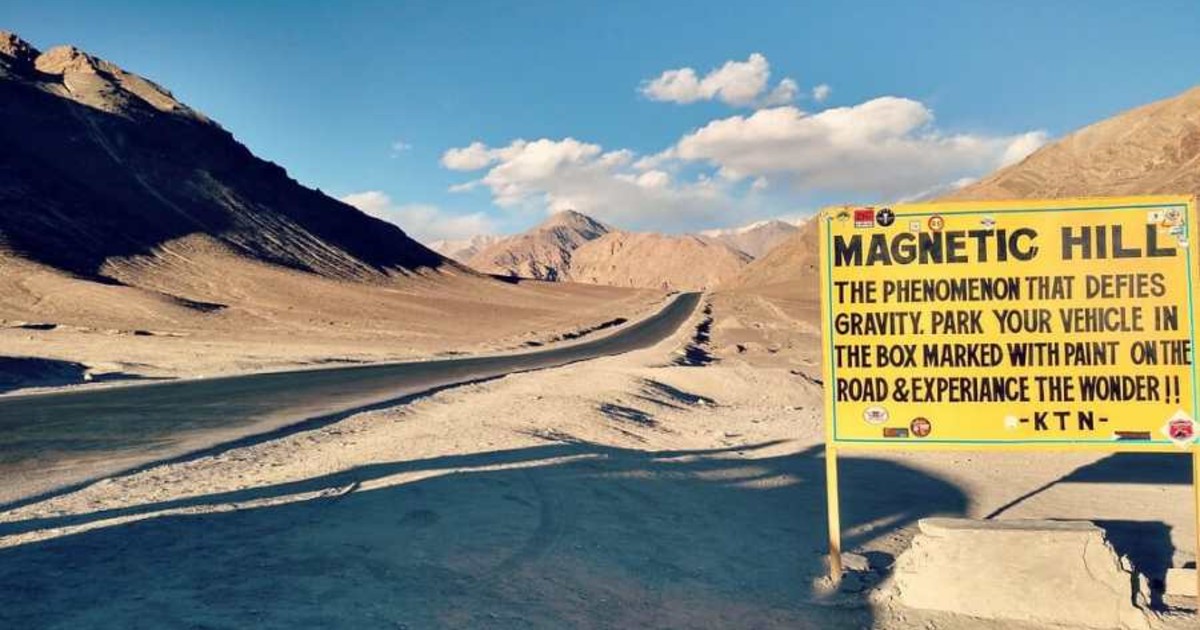
Unraveling the Enigma: The Magnetic Hill Mystery of Leh Ladakh

Leh Ladakh, nestled in the Himalayas, is renowned for its breathtaking landscapes and awe-inspiring wonders. Amidst this majestic region, an enigmatic phenomenon has captured the imagination of visitors from around the world—the Magnetic Hill Mystery. This perplexing occurrence, where vehicles seemingly defy gravity and move uphill on their own, has drawn both scientific curiosity and spiritual intrigue. 


Recognising the significance of the Magnetic Hill Mystery, the Indian government has undertaken various initiatives to investigate and comprehend the underlying forces at play. The Geological Survey of India (GSI) has conducted comprehensive surveys to study the geological and magnetic properties of the region. By analysing the terrain and magnetic field, they aim to provide a scientific explanation for the phenomenon. Furthermore, the Defence Institute of High Altitude Research (DIHAR), a laboratory under the Defence Research and Development Organisation (DRDO), has conducted experiments and measurements to unravel the physics behind this intriguing occurrence.

These government-led efforts signify a commitment to unlocking the secrets of the Magnetic Hill Mystery. By engaging scientific expertise and employing rigorous research methodologies, they strive to offer conclusive explanations to satisfy the curiosity of both locals and visitors.

While the Magnetic Hill Mystery itself does not possess specific religious connotations, it exists within the cultural and spiritual tapestry of Ladakh. The region is steeped in Tibetan Buddhism, with numerous monasteries and sacred sites dotting the landscape. Buddhist monks and spiritual leaders in Ladakh may acknowledge the phenomenon in passing, recognising its uniqueness and aligning it with the wondrous aspects of the natural world.
Although specific religious personalities may not have spoken extensively about the Magnetic Hill, the reverence for the natural environment in Ladakh is profound. Mountains, lakes, and other natural formations are regarded as sacred, evoking a deep sense of awe and reverence. The Magnetic Hill, as an enigmatic force of nature, can be appreciated within this broader spiritual framework.

Moreover, visitors to the Magnetic Hill often combine their experience with visits to nearby monasteries. These pilgrimages offer an opportunity for spiritual contemplation, prayers, and seeking blessings. While not directly linked to the phenomenon, the spiritual traditions of Ladakh enrich the overall cultural and religious context in which the Magnetic Hill Mystery is situated.

The Magnetic Hill Mystery of Leh Ladakh continues to captivate and puzzle all who encounter it. The steps taken by the government, such as geological surveys and scientific research, demonstrate a dedication to unraveling its secrets. Simultaneously, the spiritual and cultural heritage of Ladakh, with its emphasis on interconnectedness and reverence for nature, provides a broader context for appreciating this mystifying phenomenon.


While the Magnetic Hill Mystery may defy easy explanation, it serves as a reminder of the wonders that lie hidden within our natural world. Whether through scientific inquiry or spiritual contemplation, the quest to understand this enigma underscores our insatiable human curiosity and our deep connection to the mysteries of the universe.

May 22, 2023

The Secrets of Bhangarh: Legends, History and Ancient Ruins

Bhangarh is a historical site located in Rajasthan, India. It was established as a fortified town in the 17th century. It was founded by Raja Madho Singh, who was a ruler of the Kachwaha Rajput dynasty and served as a general in the Mughal Empire under Emperor Akbar. The town was constructed between 1573 and 1583. Bhangarh had over 9,000 houses until 1720 after which it gradually diminished in population.

Bhangarh flourished for several years as a vibrant settlement until it was abandoned and fell into ruins for reasons that are not entirely clear. It is often associated with various legends and mysterious stories. One popular mystery revolves around a curse placed on the town, which is said to have led to its abandonment.

The town of Bhangarh did not collapse as a whole at any specific point in time. Rather, it gradually fell into ruins and was abandoned over the course of several years. The exact timeline of its decline is not well-documented, but it is believed to have occurred in the 18th century.


It is often associated with various legends and mysterious stories. One popular mystery revolves around a curse placed on the town, which is said to have led to its abandonment.

According to the legend, a sorcerer named Singhiya fell in love with the princess of Bhangarh, Ratnavati. He tried to use his dark magic to make her fall in love with him, but Ratnavati discovered his plan. In retaliation, she ordered for him to be killed. Before dying, Singhiya cursed the town, predicting its downfall and the death of all its residents.

There are various theories regarding the reasons for Bhangarh's abandonment, including war, natural disasters, and economic decline. However, no definitive historical records exist to confirm the specific factors that led to the decline of the town.

In addition to the curse of the sorcerer Singhiya, there are several other legends associated with Bhangarh. Here are a few notable ones:

The Black Magic Competition: According to one legend, a tantric (practitioner of occult rituals) named Guru Balu Nath lived near Bhangarh before the town was established. He permitted the construction of the town under one condition: The shadow of the town should never touch his meditating spot. If it did, the town would be destroyed. However, it is said that a prince or princess accidentally cast a shadow on the forbidden spot, resulting in the destruction of the town.

The Fortress of Shadows: Bhangarh is often referred to as the "Fortress of Shadows." It is believed that the town is haunted by the spirits of the cursed inhabitants who perished due to the curse. Locals and visitors claim to have experienced paranormal activities, strange sounds, and eerie occurrences within the ruins of Bhangarh.

The Mysterious Sadhus: There have been accounts of sadhus (holy men) who resided within Bhangarh and possessed supernatural powers. These sadhus allegedly meditated in the ruins and protected the town from evil spirits. Some believe that their presence added to the mystical aura and legends surrounding Bhangarh.

The Disappearing Town: It is said that Bhangarh vanishes during the night, and anyone who remains inside after sunset never returns. This legend further adds to the eerie reputation of the town.

It's important to note that Bhangarh is an abandoned ancient town, and its ruins are protected as a historical site. Therefore, the government's efforts have primarily been directed towards maintaining and conserving the existing structures rather than developing the surrounding area for habitation.
The Indian government, through the Archaeological Survey of India (ASI), has declared Bhangarh as a protected monument and has placed restrictions on entry into the site after sunset. These restrictions are primarily for the purpose of preserving the historical integrity of the site and ensuring its conservation.

The ASI considers Bhangarh as an important heritage site and acknowledges its historical significance. However, the government has not made any official statements or declarations regarding the alleged paranormal activities or the existence of curses in Bhangarh. These aspects are more part of local folklore and legends rather than official government positions.

There is no scientific or conclusive evidence to support the existence of paranormal activity in Bhangarh. Many people have visited the site, including researchers and paranormal enthusiasts, but no verifiable evidence has been produced to validate the claims of supernatural occurrences.

It is important to note that paranormal activity is a subjective and controversial topic. While some individuals may have personal experiences or believe in the existence of paranormal phenomena, it lacks scientific consensus and empirical evidence.

These legends have contributed to the mystique and allure of Bhangarh, attracting curious visitors and paranormal enthusiasts to explore its historical ruins and experience the aura of the place firsthand.

The government's main focus is on promoting Bhangarh as a historical and tourist attraction, encouraging visitors to appreciate its architectural beauty and cultural heritage.


The government's focus on Bhangarh has primarily been on preserving its historical significance and promoting it as a tourist destination. However, in terms of making the area around Bhangarh habitable, there is limited information available.

Today, Bhangarh is primarily a historical site with the remnants of its ancient structures, attracting tourists interested in exploring its architectural heritage and engaging with the legends and mysteries associated with the place.Another aspect of the mystery is the belief that no buildings constructed in Bhangarh can remain standing. It is said that whenever a roof is built, it collapses soon afterward. Consequently, the Archaeological Survey of India (ASI) has placed restrictions on entry into the town after sunset, declaring it a haunted site.

While the legends and tales surrounding Bhangarh have captured public fascination, there is no concrete evidence to support the existence of ghosts or paranormal activities in the area. The restrictions imposed by the ASI are primarily for the preservation of the historical site. Bhangarh continues to attract tourists who are intrigued by its mysterious reputation and the remnants of its ancient architecture.

May 19, 2023

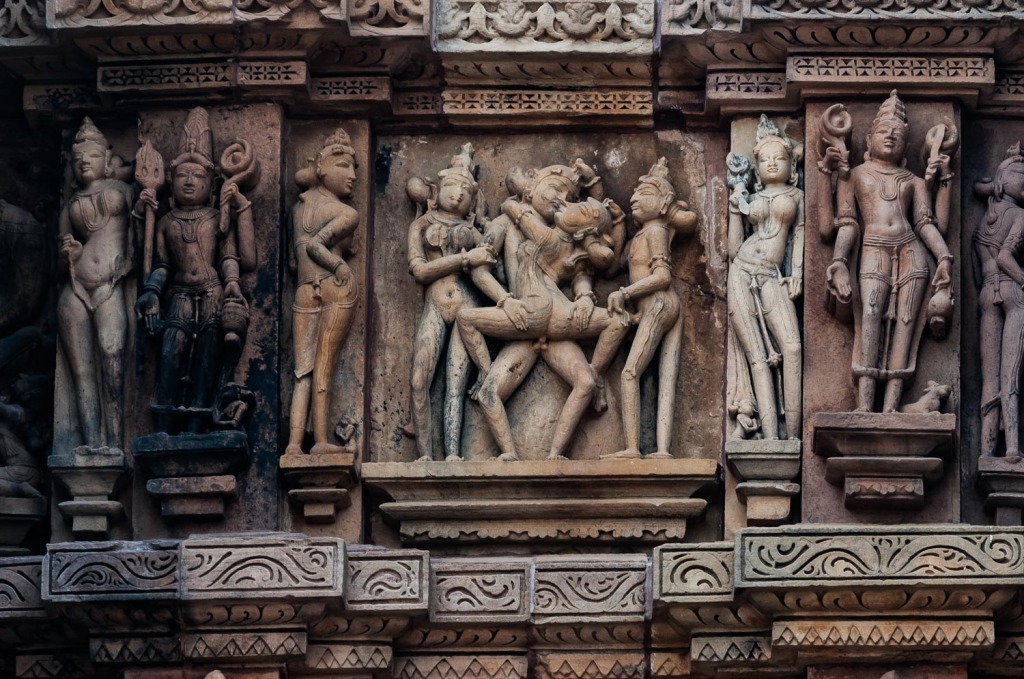
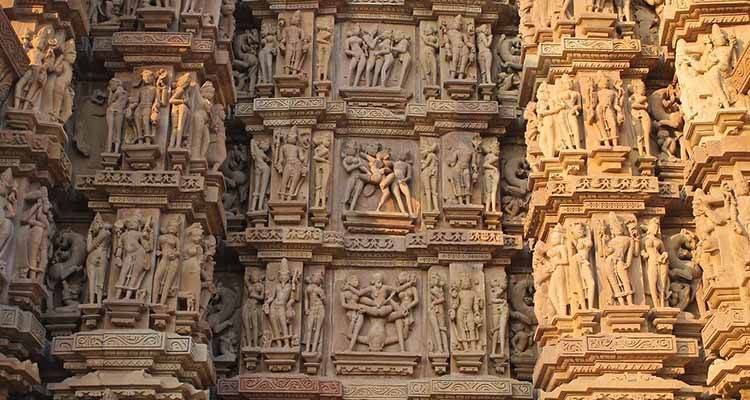
Unveiling the Symbolic Intrigue: Decoding the Presence of Sexual Sculptures in Temples

Indian temples are known for their awe-inspiring architecture, intricate carvings, and rich symbolism that captivate visitors from around the world. Among the diverse array of sculptures adorning many temples, one notable element that often sparks curiosity and intrigue is the presence of sexual or erotic sculptures. While these sculptures may appear provocative at first glance, they hold deeper symbolic meanings and reflect the cultural and spiritual beliefs of the time they were created.


The inclusion of sexual sculptures in temples can be understood within the cultural context of ancient societies. In many cultures, including ancient India, sexuality and fertility were considered sacred aspects of life. Temples, as places of worship and celebration of life's various facets, often incorporated these themes to honour the divine forces associated with creation and procreation.

Sexual sculptures in temples are laden with symbolism and allegory. They represent the union of masculine and feminine energies, symbolising the harmony of opposites and the balance necessary for creation to occur. These sculptures serve as reminders of the interconnectedness of all aspects of life, including the physical and spiritual realms.

Tantric traditions, which emphasise the integration of spirituality and physicality, have played a role in the presence of sexual sculptures in some temples. Tantra views sexual energy as a powerful force for spiritual awakening and transformation. Thus, these sculptures can be seen as symbolic representations of the divine union and the exploration of heightened states of consciousness.


Temples are not just places of worship but also community centres where people gather to commemorate life's milestones. The presence of sexual sculptures in temples signifies a celebration of life and the acknowledgement of human experiences, including sensuality and fertility, as integral parts of the divine tapestry.

The explicit nature of these sculptures encourages contemplation and reflection. They challenge visitors to move beyond the superficial and delve into the deeper aspects of human existence. By engaging with these sculptures, individuals may be prompted to explore the mysteries of creation, the interplay of energies, and the transcendence of physical limitations.


Conclusion: The presence of sexual sculptures in temples is a testament to the intricate symbolism, cultural beliefs, and spiritual expressions embedded within ancient religious art. These sculptures, while initially evoking curiosity, ultimately serve as reminders of the divine harmony in the cycle of life. Understanding the historical, cultural, and spiritual contexts behind these sculptures allows us to appreciate their deeper meanings and recognize the multifaceted nature of human existence as a reflection of the divine.

May 18, 2023

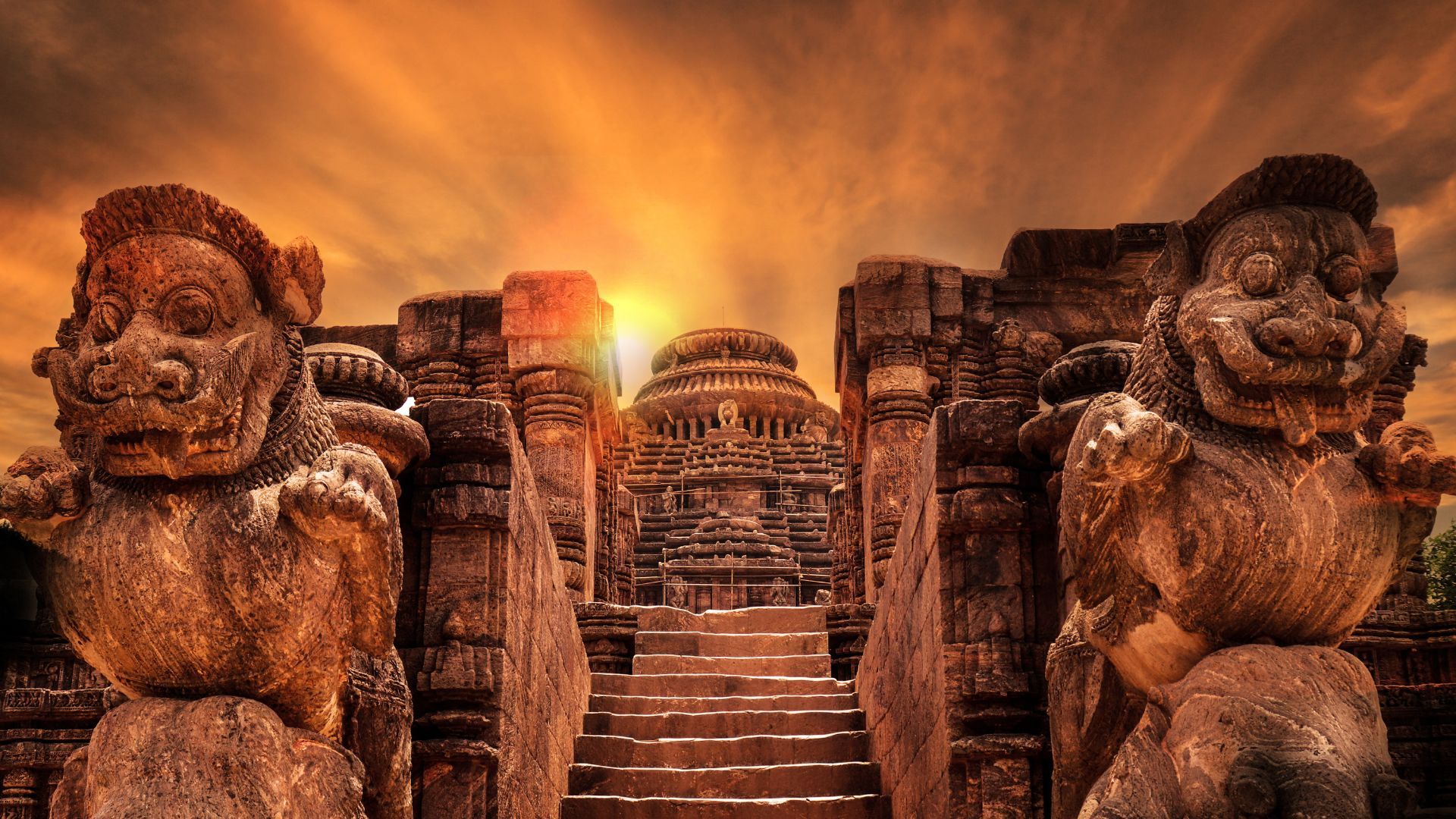
The Konark Sun Temple: Secrets of the Stone Chariot and the Disappearing Magnet

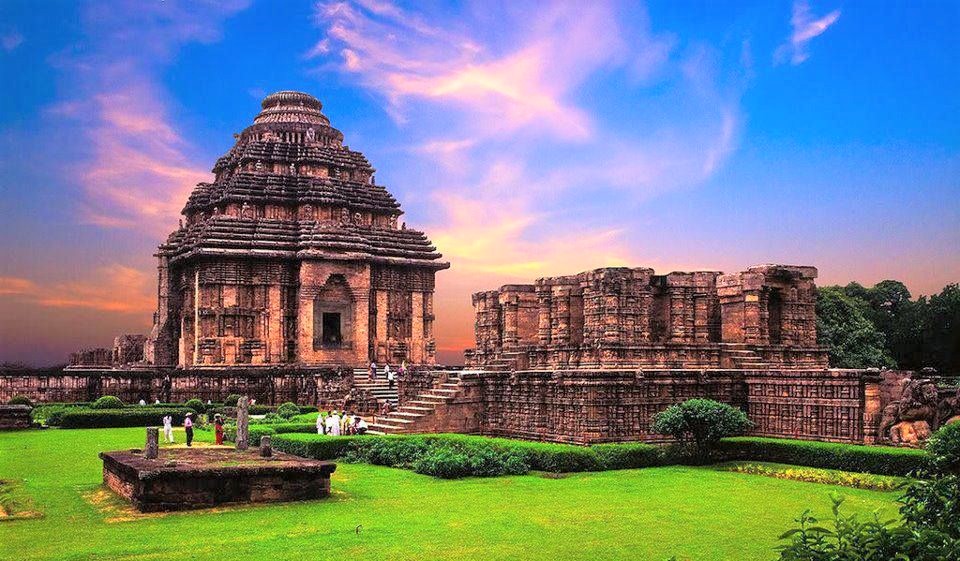
The Konark Sun Temple is a UNESCO World Heritage Site located in Konark, Odisha. It's construction began in the 13th century CE (Common Era) during the reign of King Narasimhadeva I of the Eastern Ganga dynasty. It is believed that the temple was built between 1250 and 1260 CE.

The temple was dedicated to the Sun God, Surya, and was designed in the form of a colossal chariot with intricately carved stone wheels and horses. The architectural style of the temple is known as the Kalinga architecture, which was prominent in the region during that time.


While the main structure of the temple was completed during the reign of King Narasimhadeva I, some of the finer details and sculptures were likely added in subsequent years. The temple complex originally consisted of the main temple, additional smaller temples, and various structures. However, much of the complex is now in ruins, with the main sanctum and some portions of the temple still standing.

The temple is famous for its architectural brilliance and intricate stone carvings. However, one of the intriguing mysteries surrounding the temple is the absence of the main magnet from the original structure. According to ancient legends, there was a massive magnet at the top of the temple's main spire, which helped the temple's colossal stone chariot stay suspended in the air. This magnet was believed to be responsible for the temple's unique construction, as the iron in the chariot's wheels would be drawn towards the magnet.

Over time, the magnet disappeared, and its whereabouts remain unknown. Various theories and speculations exist regarding its disappearance. Some suggest that it was removed by invaders or plunderers who sought to dismantle the temple, while others propose that natural forces, such as lightning or earthquakes, could have caused its removal or destruction.

Despite the mystery surrounding the missing magnet, the Konark Sun Temple continues to be a remarkable architectural marvel and a popular tourist attraction, drawing visitors from around the world.

The Sun Temple at Konark features intricately carved stone sculptures, including a large stone structure resembling a chariot. The chariot-like structure is adorned with stone wheels. These wheels are intricately carved and are an integral part of the temple's architectural design.


The mention of the magnet in the context of the Konark Sun Temple is often found in ancient legends and folklore, but it does not have a factual basis. The concept of a magnet or the idea that the chariot's wheels were once suspended in the air by a magnet is considered more of a mythical or symbolic element associated with the temple rather than a historical fact.

The Konark Sun Temple has several legends associated with its origin and significance. One of the popular legends is the story of Samba, the son of Lord Krishna, and his curse.

According to the legend, Samba, filled with pride and arrogance, once ridiculed the sage Narada. As a result, Narada cursed him with leprosy. In order to seek a cure for his affliction, Samba embarked on a pilgrimage and eventually reached the shores of Odisha.

While in Odisha, Samba worshipped the Sun God, Surya, with great devotion. Pleased with his prayers and penance, Surya appeared before him and blessed him with a cure for his leprosy. In gratitude, Samba vowed to build a magnificent temple dedicated to Surya.

Samba then undertook the task of constructing the temple at the place where he received the divine blessing. However, there was a condition that the temple had to be completed within a specific time frame. Unable to complete the temple within the stipulated time, Samba faced divine consequences.

As a result of Samba's failure to complete the temple, he was struck by a divine arrow, and the construction work came to a halt. The temple was left unfinished, with only the main structure and some portions of the complex remaining. This is believed to be the reason for the incomplete state of the Konark Sun Temple.

Although the legend provides an explanation for the temple's incomplete status, it is essential to note that it is a mythical story passed down through generations, and the actual historical reasons for the temple's incomplete state might be different.

The Konark Sun Temple continues to be a symbol of architectural excellence and a testament to the rich cultural and artistic heritage of Odisha.

The legend associated with the Konark Sun Temple does not directly mention or relate to magnets. The mention of magnets in connection with the temple is not a part of the original legend but rather a speculative element that has been added in later interpretations and folklore.

The legends surrounding the Konark Sun Temple primarily revolve around the construction of the temple, the curse and redemption of Samba, the son of Lord Krishna, and the divine consequences for the unfinished temple. These legends do not explicitly mention magnets or their role in the temple's construction or design.

The concept of a magnet being associated with the temple, specifically in relation to the chariot's wheels or the temple's construction, is more of a mythical or symbolic interpretation rather than an integral part of the original legends. It is important to note that the addition of magnet-related elements might have emerged over time as imaginative interpretations or speculative stories around the temple's mystical and architectural aspects.

There is no credible historical or archaeological evidence to support the claim that magnets were used in the construction of the Konark Sun Temple or that they played a role in the temple's design or functionality.

The idea of magnets being used in the temple is primarily based on folklore, legends, and speculative interpretations rather than concrete evidence. While the legends and folklore may mention magnets, it is important to approach such claims with a critical mindset and consider them as mythical or symbolic elements rather than factual historical information.


Archaeological studies and research on the Konark Sun Temple have primarily focused on its architectural features, carvings, and historical context. There has been no substantial evidence or documentation found to support the existence or use of magnets in the temple's construction.

It is worth noting that the temple itself is a remarkable architectural marvel, renowned for its intricate stone carvings and impressive craftsmanship, which do not require the presence of magnets for their creation. The beauty and grandeur of the temple can be appreciated without relying on the notion of magnet usage.


May 16, 2023

Unlocking the Secrets: The Iron Pillar of Delhi - Where Religion and Science Converge


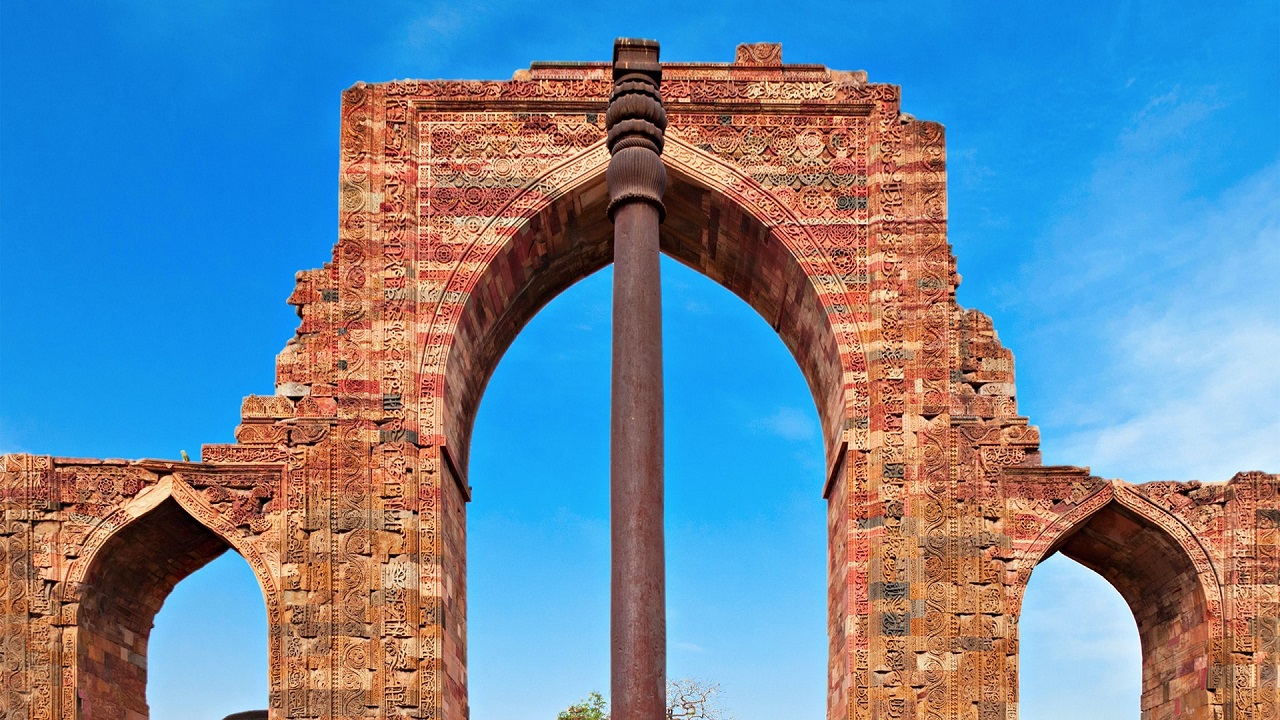
The Iron Pillar of Delhi, located in the Qutub Complex in Delhi, India, is an ancient iron pillar that dates back to the 4th century AD. It was erected by Chandragupta II, a ruler of the Gupta Empire. It stands at a height of about 7.2 meters (23 feet) and weighs around 6 tons. The pillar bears inscriptions in Sanskrit, which praise the achievements of Chandragupta II.

Iron Pillar is known for its remarkable preservation, despite being exposed to the elements for over a millennium. The mystery surrounding the Iron Pillar lies in its composition and the fact that it has not corroded significantly over the years.

It is said to be installed in 13th century as a trophy in building the Quwwat-ul-Islam mosque and the Qutb complex by Sultan Iltutmish. Its original location, whether on the site itself or from elsewhere, is debated. One of the theory is that the relocation happened during the Muslim rule in Delhi. Some scholars have assumed that it happened around 1200 CE, when Qutb al-Din Aibak commenced the construction of the Qutb complex as a general of Muhammad of Ghor.

There are various stories and beliefs associated with the Iron Pillar of Delhi, including some that relate it to Lord Shiva. However, there is no concrete historical or archaeological evidence to support such claims.

One of the legends associated with the Iron Pillar of Delhi is that it was originally erected as a staff of Lord Shiva, who was pleased with the devotion of his devotees and turned the staff into iron. Another legend claims that the pillar was created by the mythical King Vikramaditya, who possessed the ability to transmute metal into gold.

However, these stories are largely based on religious beliefs and lack any historical or scientific evidence. The inscription on the Iron Pillar refers to the Gupta Emperor Chandragupta II and his achievements, and there is no mention of any religious significance or association with Lord Shiva.

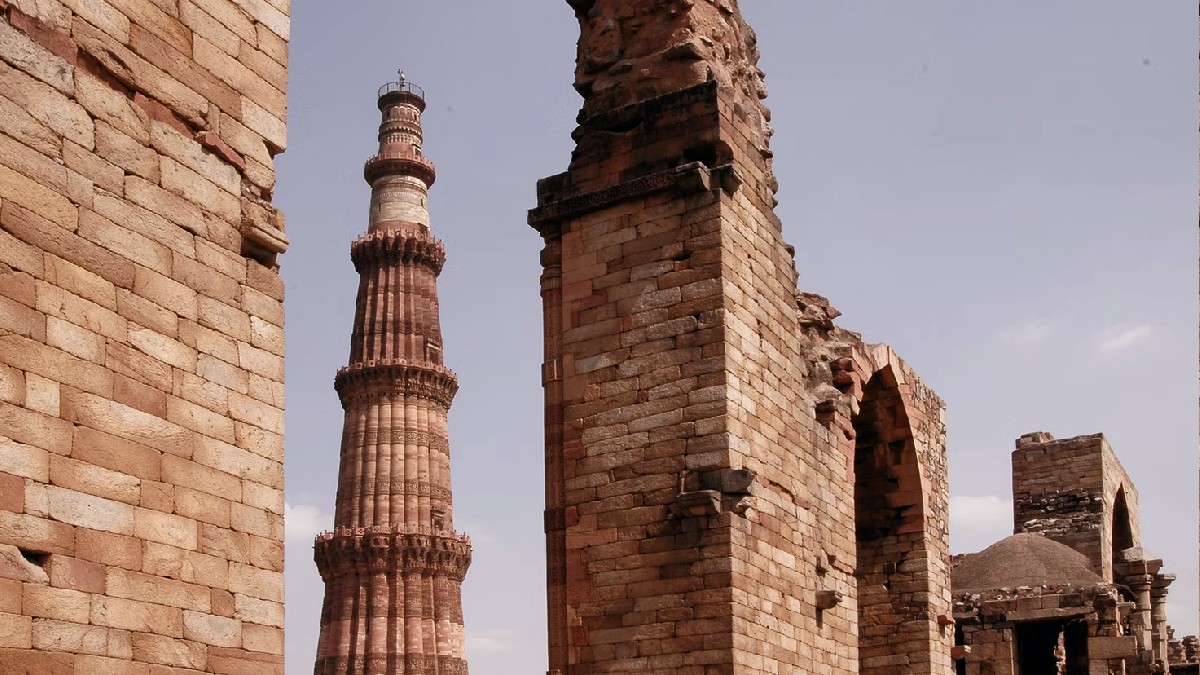
While the pillar is located within the Qutb Complex, which includes the famous Qutub Minar and several other ancient structures, it does not have any explicit religious iconography or symbolism. The Qutb Complex as a whole has a significant historical and cultural importance, representing a blend of Hindu, Jain, and Islamic architectural styles due to the complex's transformation over the centuries.


It's worth noting that religious associations or legends often develop over time through cultural interpretations and beliefs. In the case of the Iron Pillar, certain legends and stories have emerged, linking it to Lord Shiva or other mythical figures. However, these claims are not based on concrete historical evidence and should be considered as part of the cultural and religious folklore surrounding the pillar.

Several theories have been proposed to explain the pillar's resistance to corrosion. One theory suggests that the pillar's iron was sourced from a region with naturally occurring phosphorus-rich iron ore, which contributed to its unique composition. Another theory proposes that the pillar's preservation is due to a combination of factors, including the absence of rainfall, a relatively dry climate, and the presence of a protective oxide layer.

One of the main reasons for the pillar's preservation is its composition. It is primarily made of wrought iron, with a high proportion of phosphorus impurities. The presence of phosphorus acts as a protective layer, forming a stable iron phosphate compound known as "misawite" on the surface of the pillar. This layer contributed to its unique composition, preventing further corrosion.

Despite its preservation, the Iron Pillar has not been completely immune to corrosion. It does show some signs of rusting in certain areas, particularly at the base. Nevertheless, its overall condition is a testament to the metallurgical expertise of ancient Indian craftsmen.

As the Iron Pillar of Delhi continues to be a subject of study and research, scholars and archaeologists focus on its historical and metallurgical aspects rather than religious interpretations. The primary emphasis is on understanding its composition, preservation, and the technological achievements of ancient Indian craftsmanship.


The Iron Pillar of Delhi continues to be a subject of scientific study and admiration, captivating historians, metallurgists, and visitors alike. Its endurance and resistance to corrosion remain a fascinating mystery that has yet to be fully unraveled.

Therefore, while the Iron Pillar of Delhi is undoubtedly a remarkable and mysterious historical artifact, its association with Lord Shiva is not supported by any factual evidence. It remains a subject of fascination and study for archaeologists, metallurgists, and historians, who continue to explore its origins and properties.

May 15, 2023

Exploring the Mysterious Mass Bird Suicides at Jatinga, Assam: Phenomenon, Theories, and Conservation Efforts

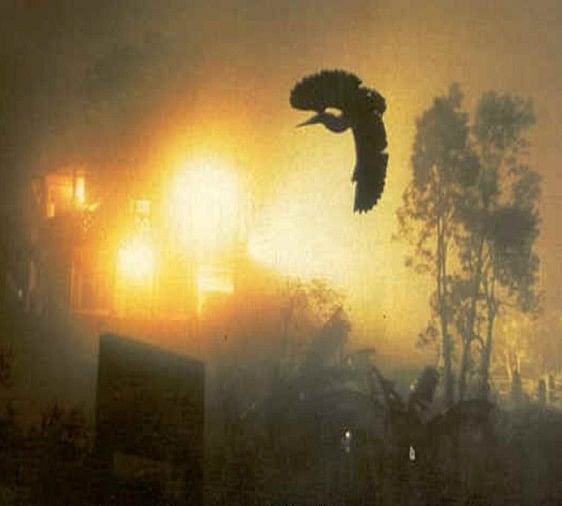
The "mass bird suicide" at Jatinga, Assam refers to a phenomenon in which several species of birds, mostly migratory ones, fly towards a certain village in the state of Assam in northeastern India during the monsoon season and end up crashing into buildings and trees, sometimes resulting in their deaths. This peculiar phenomenon has been observed in the village of Jatinga for over a century, and it occurs every year between August and November.


The phenomenon has been the subject of much speculation and folklore, with locals attributing it to supernatural forces or other mystical explanations. However, scientists and researchers who have studied the phenomenon have offered more rational explanations for it. Some have suggested that the birds are attracted to the village's bright lights during foggy or moonless nights, which can disorient them and cause them to fly towards the lights instead of following their usual migration routes. Others have suggested that the birds may be following each other in a mass panic, or that they are attracted to the insects that swarm around the village during the monsoon season.

Whatever the cause, the phenomenon has attracted the attention of scientists and bird enthusiasts from around the world, and Jatinga has become a popular destination for birdwatchers who come to observe the mass bird suicides. However, conservationists have raised concerns about the impact of human activity on the birds and their habitats, and have called for measures to protect the birds and their migration routes.


After the birds crash into buildings and trees in Jatinga, many of them die due to the impact. However, some of them may also be injured or stunned, and are unable to fly. The locals in Jatinga believe that the birds are possessed by evil spirits, and therefore, they catch and kill the birds for their meat or feathers.

However, in recent years, efforts have been made to prevent the killing of the birds, and instead, to rescue and rehabilitate them. Conservationists and wildlife authorities in Assam have set up bird rescue centers in Jatinga to provide medical care and rehabilitation for the injured birds. The rescued birds are treated for their injuries, and once they have recovered, they are released back into the wild.

It is important to note that the mass bird suicide phenomenon at Jatinga is not a natural behavior for these migratory birds, and it is believed to be caused by a variety of factors, including the bright lights of the village, weather conditions, and other environmental factors. Therefore, efforts are being made to better understand this phenomenon and to mitigate the impact of human activities on the birds and their habitats.

While the mass bird suicide phenomenon at Jatinga is certainly a cause for concern and warrants further study, it is not likely to have a significant impact on the overall population of migratory birds in the long term. However, it is important for local communities and authorities to work together to ensure that these birds are protected and that their habitats are conserved for future generations.

There are several factors that are thought to contribute to this phenomenon and make it unique to Jatinga, including:

Weather conditions: Jatinga is located in a region that experiences heavy monsoon rains and fog during the months of August to November. This weather pattern can create conditions that are conducive to bird disorientation, which may cause them to fly towards the bright lights of the village.


Geographic location: Jatinga is situated on a hilltop that is surrounded by dense forests and valleys. This topography may act as a barrier for the birds, preventing them from finding their way out of the area and causing them to crash into buildings and trees.


Light pollution: Jatinga is known for its bright lights, which are used by the villagers to attract fish and other animals. These lights can also attract birds, which may become disoriented and end up crashing into buildings and trees.


Migration routes: Jatinga is located on a major migratory route for many bird species, which may contribute to the large number of birds that are observed during the phenomenon.

Overall, the unique combination of weather patterns, geography, and human activity in Jatinga may be responsible for the mass bird suicide phenomenon in this particular area, and it is not observed in other regions. While similar behaviors have been reported in other parts of the world, they are typically associated with different factors and are not identical to the phenomenon observed in Jatinga.


While there has been some research into the causes of the mass bird suicide phenomenon at Jatinga, there is still no definitive answer as to what causes the birds to behave in this way. While some of the factors that I mentioned earlier, such as weather patterns and light pollution, have been suggested as possible contributing factors, the exact mechanisms behind this behavior are still not fully understood.

Furthermore, there is ongoing debate among researchers as to whether the birds are actually committing suicide or whether there is some other explanation for their behavior, such as disorientation or exhaustion. Some experts believe that the birds may be attracted to the lights of the village and become disoriented, while others suggest that the birds may be exhausted after a long flight and simply crash into buildings and trees in the area.


Overall, while there has been some research into the causes of the mass bird suicide phenomenon at Jatinga, more studies are needed to fully understand this behaviour and its underlying causes.

May 8, 2023

Exploring Roopkund Lake: The Mysterious 'Skeleton Lake' in the Indian Himalayas

Mystery of Skeleton Lake in Himalayas.

There are many lakes in India and all of them have a long history around. Many natural have been the site of civilisation and that's how humans got an idea of making artificial lakes and make fresh settlements which later became cities as the population grew!

Most mysterious of all the lakes is Roopkund, also known as "Skeleton Lake" which is a glacial lake located in the Indian state of Uttarakhand, in the Himalayas. The lake is located at an altitude of 5,029 meters (16,499 feet) above sea level, and it is surrounded by snow-capped peaks.


The area around Roopkund Lake is known for its rugged terrain, high altitude, and stunning natural beauty. The lake is located in the Chamoli district of Uttarakhand, in the Nanda Devi Biosphere Reserve, which is a UNESCO World Heritage Site.

Roopkund Lake is known for the mysterious presence of hundreds of human skeletons that are visible at the bottom of the lake. The skeletons are believed to be from a time between the 12th and 15th centuries AD and are thought to be the remains of a group of travellers or pilgrims who died in a severe hailstorm.

Several scientific expeditions have been conducted to study the remains and gather more information about the people who perished there. Some theories suggest that the group may have been a royal entourage, or soldiers on a mission. However, the exact identity of the people and the circumstances of their deaths remain a mystery.


In recent years, Roopkund Lake has become a popular destination for trekkers and adventurers who are drawn to the lake's unique history and natural beauty. However, efforts are being made to preserve the site and limit the impact of tourism on the fragile ecosystem.

Since the discovery of the skeletions in 1940,the mystery of the Roopkund Lake skeletons has fascinated researchers, historians, and adventure enthusiasts for more than 70 decades now. Despite numerous investigations and expeditions, many questions about the identity of the people who died there and the circumstances of their deaths remain unanswered.

There are several reasons why the mystery of Roopkund Lake remains unsolved. One reason is that the remains are scattered and disarticulated, which makes it difficult to determine the number of individuals who died and the cause of death. The remains are also heavily fragmented, making it challenging to conduct DNA analysis or other forms of forensic examination.


Additionally, the remote location and harsh terrain around the lake have made it difficult for researchers to conduct extensive investigations. The area is only accessible during a brief window in the summer months when the snow melts and ice of the lake thaws, the region is prone to severe weather conditions and natural disasters such as avalanches.

Furthermore, the remains are believed to be several centuries old, which makes it challenging to piece together the historical and cultural context in which the deaths occurred. The absence of written records or historical accounts further complicates the investigation.

Overall, the mystery of Roopkund Lake is a complex and challenging one, and solving it will require a multidisciplinary approach that combines scientific investigation, historical research, and cultural analysis.

What are your thoughts on it? Have you heard about this lake before?


The Mysterious Abandonment of Dhanushkodi, Tamil Nadu: Unraveling the Curse

Nestled at the southern tip of India, where the Bay of Bengal meets the Indian Ocean, lies a place of haunting beauty and eerie history - Dh...